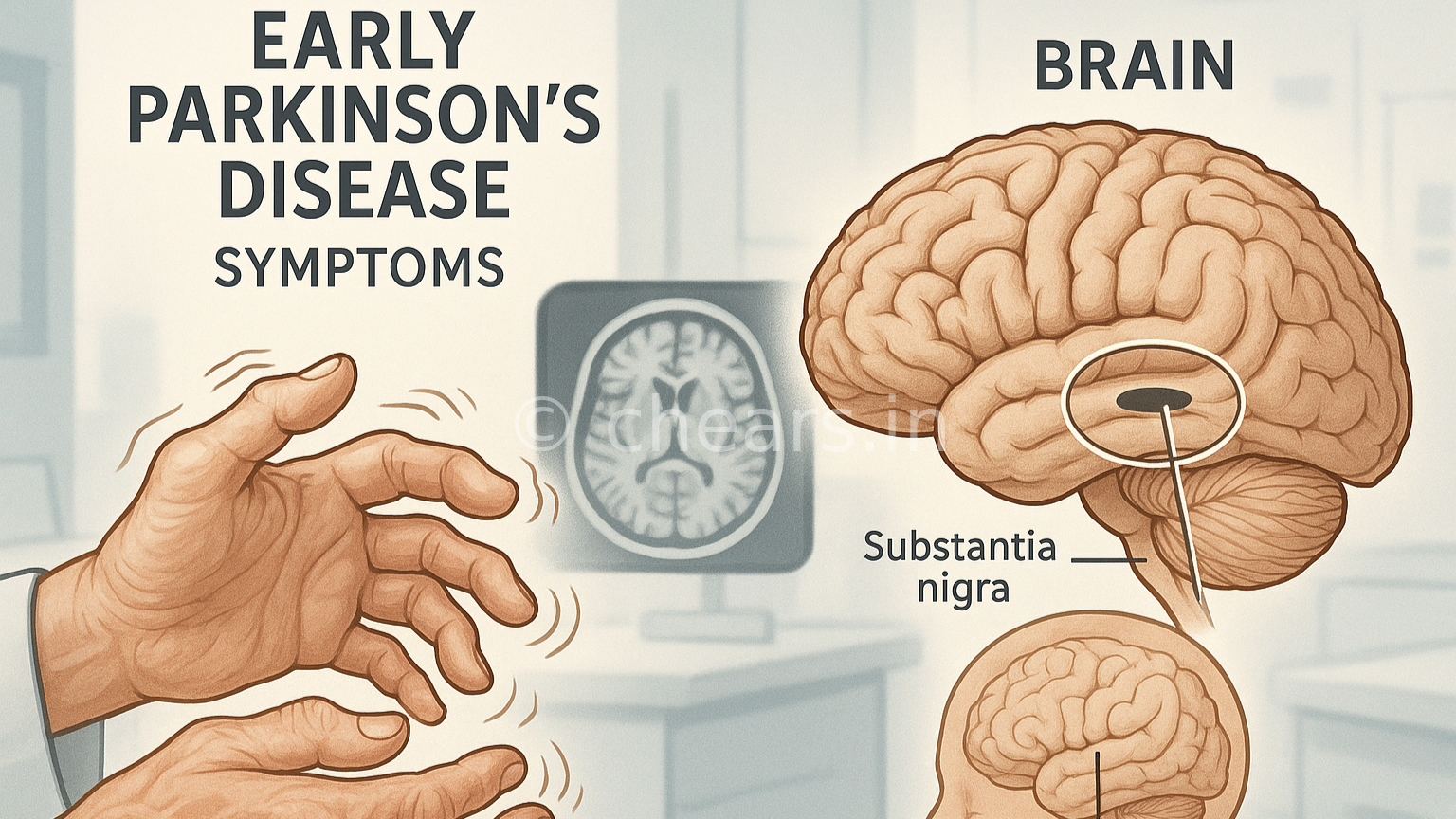
Parkinson?s Disease is a progressive neurological disorder which primarily affects motor coordination. Typical symptoms include tremors, loss of motor coordination, rigidity, sleep disturbance and affects overall mental health. Clinically it is characterized by damage of dopamine producing nerve cells thereby depriving brain of dopamine. Chemical neurotransmitter dopamine is required for attention, focus, movement, motor coordination and up to a certain extent it also regulates sleep, mood, and learning. In PD, transmission & synthesis of this crucial neurotransmitter is impaired & deprivation of dopamine can lead to lack of motivation, difficulty in movement and stiffness. It also exposes to depression, stress & anxiety. The happiness and reward feeling in human is majorly controlled by dopamine and henceforth it is classified as a?Happy Hormone.? Additionally, deposition of aggregated alpha-synuclein protein (also known as lewy bodies) also plays potential role in cause of PD. Both these critical events triggers sequence of events and causes of depletion of another neurotransmitter as well. Although the progression is relatively slow but PD remains incurable. The cause of Parkinson?s remains unknow could be idiopathic, genetic, environmental or exposure to underlying diseased condition.
Parkinson?s disease is estimated to affect elderly patients above 60 years of age. Though prevalent in both sexes, it is found to be more significant in men. Currently due to limited treatment options, living a normal life with Parkinson?s disease is a challenge and impacts on performing day to day tasks. However, early diagnosis and specialized therapeutic approach (medications & complementary therapy) have been proven to be successful at managing PD symptoms and slower its progression.
Early Symptoms to watch out for PD
PD induction is gradual & slower in its progression. However, it has been observed that few early signs and symptoms are sometimes already present even before the disease surfaces with its typical features.
Estimated 5-10% people develop early symptoms of PD at an age of 50 and in rare cases before age of 40. These early signs are very subtle and most of the time taken leniently. However, these signs can be potentially indicative of underlying development of PD condition. Below listed are few reported early symptoms that needs to be monitored if sustains for prolonged period.
Constipation: Prolonged constipation is manifested as one of the early symptoms of PD. This could be due to impacted dopaminergic neurons in brain that regulated bowel muscular movements & therefore affecting the digestion. It is indicative of early involvement of enteric nervous system in PD
Loss of Smell: Other significant early indication of underlying PD could be loss of smell and often precedes other symptoms of PD. This is due to impaired olfactory functions, probably affected during early stages of PD. Studies have reported that >95% patients have reported loss of smell with active PD status.
Sleep disturbance: Fragmented sleep patterns often surface in early stages with a feeling of being excessive sleepy during daytime or frequent awakening or suffering insomnia. Often observed as typical symptom of depression, it may also be an indicative of underlying PD.
Anxiety & Depression: Depression occurs due to less dopamine regulation in brain as it typically serves as a happy hormone. Apart from this, damage to neurons that regulates other neurotransmitters such as serotonin and norepinephrine could also contribute to depression & anxiety. Depleted neurotransmitters? stores can also cause decline in sexual activity.
Shaking of limbs at resting stage or Slight onset of tremor: A normal shaking of hand, finger or leg due to workouts or pain could be normal. However, frequent occurrence of tremors at resting stage for prolonged period could indicate presence of underlying PD.
Muscle stiffness, Fatigue, slow movement: Progressive resistance towards movement. Persistent muscular pain. The feeling of laziness could be normal on day to day to basis however prolonged slower movement might indicative of impaired uncoordinated muscular movements. Stiffness may impact daily chores such as walking, bathing & dressing etc. Up to certain extent it can also cause slurring in speech.
(* all above early symptoms may occur due to other reasons as well. Moreover, it is of paramount importance that with prolonged occurrence of these symptoms, kindly visit healthcare practitioner for screening and conduct PD specific tests to confirm development of disease)
PD Symptoms
? Tremors
? Loss of posture
? Loss of spontaneous movement
? Loss of balance while walking
? Depression
? Anxiety
? Dementia
Covid 19 Impact on high PD Incidence rate & raising its complications
There has been reports of steep rise in PD incidence rate in a year following COVID 19. A 2-yearlong study assessed increased in risk of PD in patients within 1 year of COVID-19 exposure as compared with patients with no exposure. Clear pathophysiological reason remains unclear , however animal studies have demonstrated that active viral infection probably increases ?-synucleinopathies followed with damage of dopaminergic neurons could be the reason for higher incidence rate of PD after Covid-19. Similar observations have also been reported for increased incidence rate in other neurodegenerative disorders post covid-19 infections. It could be estimated that active exposure towards infections escalated vulnerability towards development of these conditions which otherwise was lying latent and could have proliferated in later stage of life. Covid-19 has also been reported to worsen the symptoms of tremors, rigidity and triggering of new motor symptoms creating complications in motor and non-motor symptoms of PD. With the growing complexities of the disease, PD warrants a holistic approach towards its management rather than just managing it with medication to slower its progression.
Existing and Novel treatment options for PD
Current therapeutic treatment approach for Parkinson?s remains limited and majorly imparts symptomatic management rather than curing the disease. Approved medications for PD are Levodopa (L-dopa), a natural chemical that converts into dopamine post entering CNS. Often combined with carbidopa to help levodopa cross blood brain barrier & reach brain. Dopamine agonists such as Pramipexole acts by mimicking as dopamine. Monoamine oxidase inhibitor (MAO-B) such ropinirole, Selegiline, Rasagiline prevents breakdown of dopamine in brain. Catechol O-methyltransferase, also called COMT, inhibitors such as Entacapone, Opicapone when given with Levodopa, prevents breakdown of levodopa in brain and imparts longer duration of action of drug. With handful availability of drugs for management of PD , new advanced developments are available which can provide with better outcomes. Very recently FDA approved Vyalev ( Produodopa), it is uniquely designed & classified as dopamine agonist. The drug is prescribed in advanced stages of PD patients with difficult to manage symptoms with existing treatment. Drug is delivered via infusion pump and injected under-the-skin, it helps maintain optimum dopamine levels in brain to manage symptoms in advanced PD. Next approved Onapgo (apomorphine hydrochloride) is also promising and is delivered via infusion pump injected under-the-skin (subcutaneous). Reformulated longer acting Levodopa/carbidopa pill, called as Crexont, has been as well a new relief for complicated PD patients with extreme unmanageable symptoms.
Holistic Treatment Approach for management of PD
The key remains in early diagnosis of PD also known as Early onset Parkinsons?s disease (EOPD). Usually, the chances of better prognosis become evident if it is identified on right time. It also supports with an actual decision of starting the medications on time. Apart from medications, below listed complementary approaches have found helpful in management of PD that may help reduce severity of symptoms. Combined with medications, day-to-day inclusion of complementary therapy approach increases the chance of better prognosis of the disease. With no cure available for PD, it becomes imperative to make small changes in lifestyle for amplified outcome of medications. Ultimately, slowing down the progression of PD has been shown to improve the quality of life & helps lower the intensity of symptoms.
Diet
Tyrosin-rich foods acts is a precursor to dopamine.
? Almonds, avocados, bananas
? Eggs, fish, chicken
? Dairy products, pumpkin seeds
Exercise
? Regular exercise helps regulates dopamine levels in brain & uplifts the mood
? It maintains muscular movements & its coordination
? Reduces rigidity & stiffness of muscle
Mind Interventions
Yoga: Maintains flexibility
Meditation reduces anxiety. Sometimes anxiety itself contributes to increase in tremors. Managing anxiety can also reduce the shakiness of limbs
Music: Helps regulates dopamine and improves mood, reduces stress
Sleep: Stabilizing sleeping patterns helps with dopamine level regulation.
Massage Therapy
Massage therapy for impacted limbs has been proven to be significantly beneficial in patients to reduce stiffness & rigidity.
