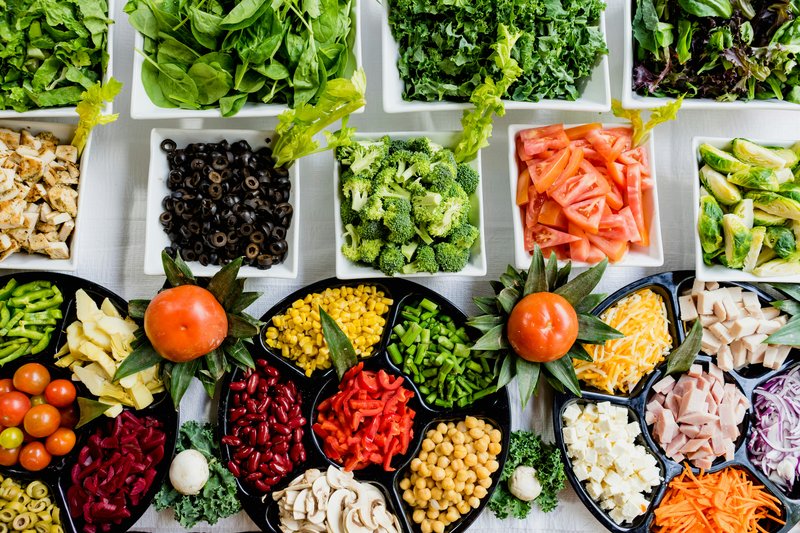
Has it ever occurred to you how the food we eat affects our emotions? We tend to feel tired after a heavy, oily meal, but lighter foods like fresh fruits at home or cooked food give us that energy. Life fuels us not only with food, but also with our meals. Why is this so? To maintain our hearts, minds and bodies healthy, the World Health Organization emphasizes the importance of eating well rather than just following a strict diet.
Starting from the Very Beginning.
Healthy eating starts from the moment you are born. Breastfeeding for the first six months is associated with a higher likelihood of healthy and strong growth in babies. By acting as a defense mechanism against illness, it can lower the risk of obesity and prolonging their lives. As their growth spurts, little ones require more than just milk. By introducing soft, safe, and colorful foods from six months to two years, they can prepare for a healthier future.
Colors on Your Plate: Fruits and Vegetables.
Picture your plate as a blank canvas with fruits and vegetables in the background. More colors, however, the better the image will look. Fruits and vegetables are rich in vitamins, minerals, fiber, and antioxidants that can protect us from diseases like diabetes or heart disease. Having enough of these on a daily basis is like giving your body minuscule protection and energy.
Fats: Friends or Foes?
The common phrase "lose weight" is only partially accurate. Why? Good fats are essential for our bodies to maintain energy and promote the development of cells. The key is to be able to differentiate. Overindulging in butter, ghee, and oils like coconut or palm, which are high in saturated fat, can be detrimental. Unsaturated oils, such as olive, sunflower and soybean, are the healthiest choices. The good fats are only friends, and they should only be in the right amount.
Sugar: Sweet but Sneaky.
The sweetness of life comes from sugar, but its excessive consumption can cause silent health problems. Why? Sugar should be kept below 10% of the daily energy requirement by WHO, and ideally lower. The result is a decrease in sodas, cookies, and sweets as well as an increase in fresh fruits. Despite the slight difference in taste between switching to water from sugary drinks and choosing a fruit instead of chocolate, these changes can have significant benefits for your body.
Salt: The Hidden Danger.
Salt is tiny but mighty. While a small amount adds flavor, excessive consumption can lead to an increase in blood pressure and the risk of stroke and heart disease. The safe limit? Approximately one teaspoon per day.' It is common for sauces, seasonings and packaged foods to conceal extra salt, but spices, herbs, or lemon can be used instead. They offer flavor without any danger.'".
Small Steps, Big Rewards.
The key to eating healthfully is to prioritize small, thoughtful choices and maintain a balanced diet. The addition of more vegetables, water as a replacement for sugary drinks, healthier oils in cooking, and reduced salt portions all contribute to the creation of health protection. The continuation of these habits is possible when they first appear in later years.Keep in mind that you are not just consuming food, but also having a full stomach when you sit down. You're nourishing your life.