Introduction: More Than Just Digestion
When we think of health, our minds often jump to the heart, lungs, or brain?but seldom do we think of the gut. Yet, the human gastrointestinal (GI) tract, home to over 100 trillion microorganisms, is now recognized as one of the most vital players in maintaining our overall health. From influencing immunity and mental health to regulating weight and preventing disease, your gut is doing much more than just digesting food.
With digestive disorders like IBS, GERD, and constipation on the rise, and growing awareness of the gut-brain connection, it?s time we paid serious attention to our internal ecosystem. This article explores how gut health affects your total wellbeing?and what you can do to protect it.
The Gut Microbiome: Your Internal Universe
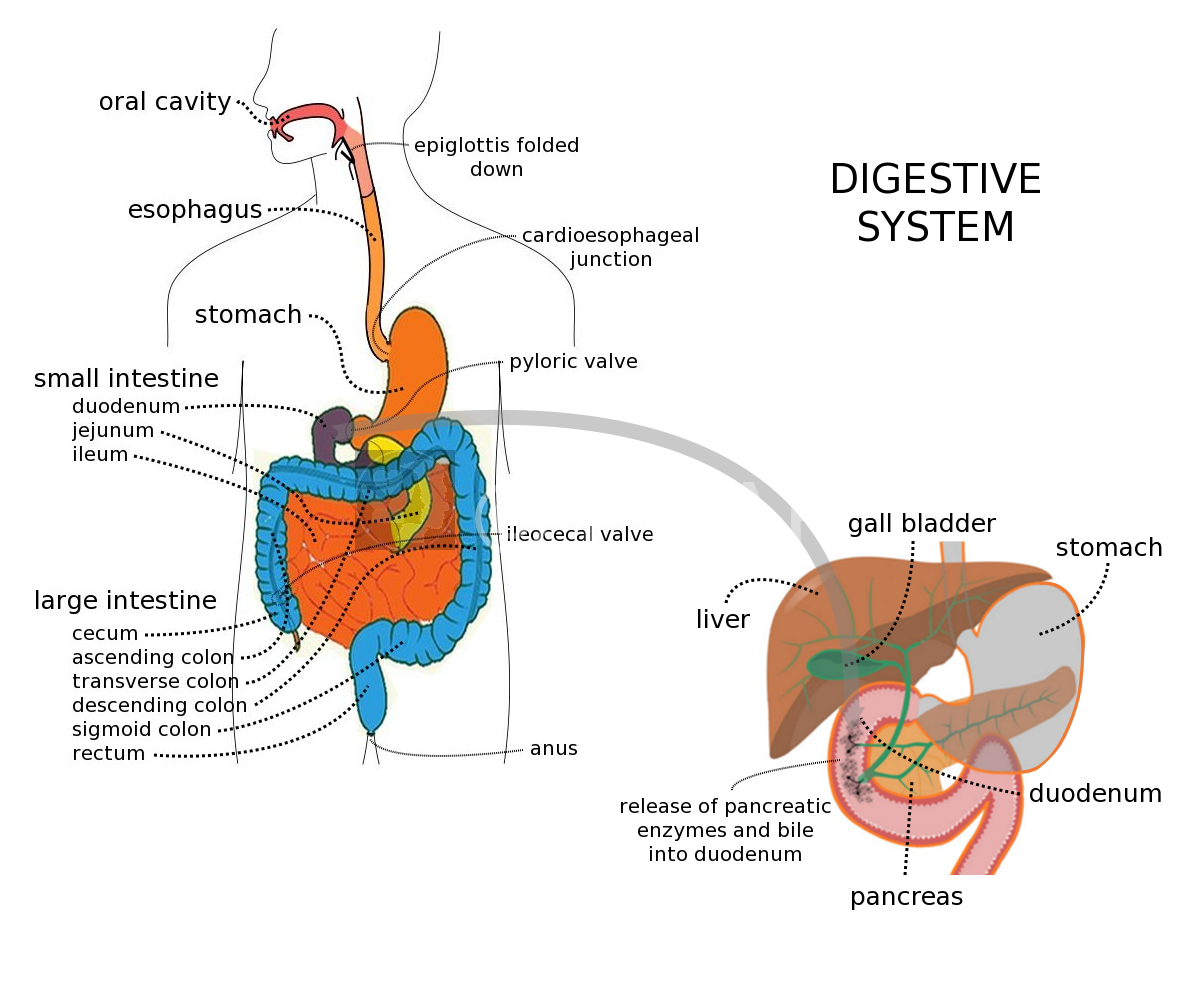
The gut microbiome refers to the trillions of bacteria, fungi, viruses, and other microorganisms living inside your intestines?mostly in the colon. These microbes perform essential functions such as:
- Digesting complex foods and producing nutrients like vitamin K and certain B vitamins.
- Regulating the immune system, helping prevent autoimmune conditions and infections.
- Maintaining gut lining integrity, preventing "leaky gut" and chronic inflammation.
- Producing neurotransmitters like serotonin, which directly affect mood and mental health.
In fact, scientists often refer to the gut as the ?second brain?, because over 90% of the body?s serotonin is produced in the digestive system, affecting emotions, sleep, and appetite.
Signs of an Unhealthy Gut
Modern lifestyles?characterized by processed diets, stress, poor sleep, and excessive antibiotic use?can disrupt the gut microbiome, leading to dysbiosis (imbalance). Common symptoms of poor gut health include:
- Frequent bloating, gas, or diarrhea
- Food intolerances or sensitivity to certain foods
- Unintentional weight gain or loss
- Constant fatigue or poor sleep
- Persistent skin issues like eczema or acne
- Increased anxiety or depressive episodes
If you experience any of these, your gut might be trying to tell you something important.
The Gut?Immune?Brain Axis: A 3-Way Partnership
The digestive system is intricately linked to two powerful systems: immunity and the central nervous system. Around 70% of your immune cells reside in the gut, where they interact with microbes to detect harmful pathogens and prevent overreaction to harmless substances. Meanwhile, the gut-brain axis allows two-way communication between your intestinal flora and your mind.
This explains why digestive issues often accompany stress, and why improving gut health can ease mental health conditions like depression, anxiety, and even cognitive decline.
Current Trends and Challenges
- Rise in Digestive Disorders: According to the American Gastroenterological Association, over 60 million Americans suffer from digestive issues each year. In India, lifestyle-related GI conditions are also rising due to increased fast-food consumption and sedentary living.
- Overuse of Antibiotics: Widespread misuse of antibiotics?especially during and after the COVID-19 pandemic?has led to significant disruption of gut flora, contributing to chronic GI issues and antibiotic resistance.
- Microbiome-targeted Products: Probiotics, prebiotics, and fermented foods are trending in the health market, but not all claims are backed by strong science.
Gut-Friendly Lifestyle Changes
Improving gut health doesn?t require expensive treatments. Start with these practical, science-backed strategies:
1. Eat More Fiber
Include a variety of fruits, vegetables, legumes, and whole grains. These act as prebiotics, feeding good bacteria and encouraging their growth.
2. Include Fermented Foods
Foods like curd, yogurt, kefir, kimchi, sauerkraut, and kombucha are rich in probiotics?live beneficial bacteria that support gut diversity.
3. Limit Processed Foods and Sugar
Ultra-processed foods feed harmful bacteria and can increase gut inflammation. Avoid excess sugars, refined oils, and additives.
4. Stay Hydrated
Water supports digestion, helps nutrient absorption, and prevents constipation. Aim for 6?8 glasses per day, depending on your body needs.
5. Sleep and Stress Management
Poor sleep and chronic stress negatively impact gut flora. Try mindfulness, yoga, regular exercise, and ensure 7?9 hours of sleep each night.
6. Use Antibiotics Responsibly
Take antibiotics only when prescribed, and consider taking probiotics during and after antibiotic use (consult a healthcare provider).
When to See a Doctor
If you experience symptoms like persistent bloating, blood in stool, sudden weight changes, or severe abdominal pain, consult a gastroenterologist. Early intervention can help detect conditions like IBD, ulcers, or celiac disease, and prevent long-term damage.
Conclusion: Trust Your Gut?Literally
Your gut is more than a digestive system?it's a cornerstone of your health. By nurturing your microbiome with balanced nutrition, healthy habits, and awareness, you can prevent disease, boost immunity, improve mental clarity, and feel your best every day.
As we continue to explore the deep interconnections between the gut and the rest of the body, one thing becomes clear: better gut health leads to a better life. Let?s move from reactive care to preventive gut empowerment?starting today.
References
- National Institutes of Health. ?The Gut Microbiome in Health and Disease.? NIH Human Microbiome Project.
- Mayer, E.A. et al. ?Gut/brain axis and the microbiota.? The Journal of Clinical Investigation, 2015.
- American Gastroenterological Association. ?Digestive Health Statistics.? AGA, 2024.
- Cryan, J.F. et al. ?The Microbiota?Gut?Brain Axis.? Physiological Reviews, 2019.
- WHO. ?Antibiotic Resistance and Gut Microbiota Disruption.? WHO Report, 2023.
- Harvard T.H. Chan School of Public Health. ?The Nutrition Source: Gut Microbiota.?
