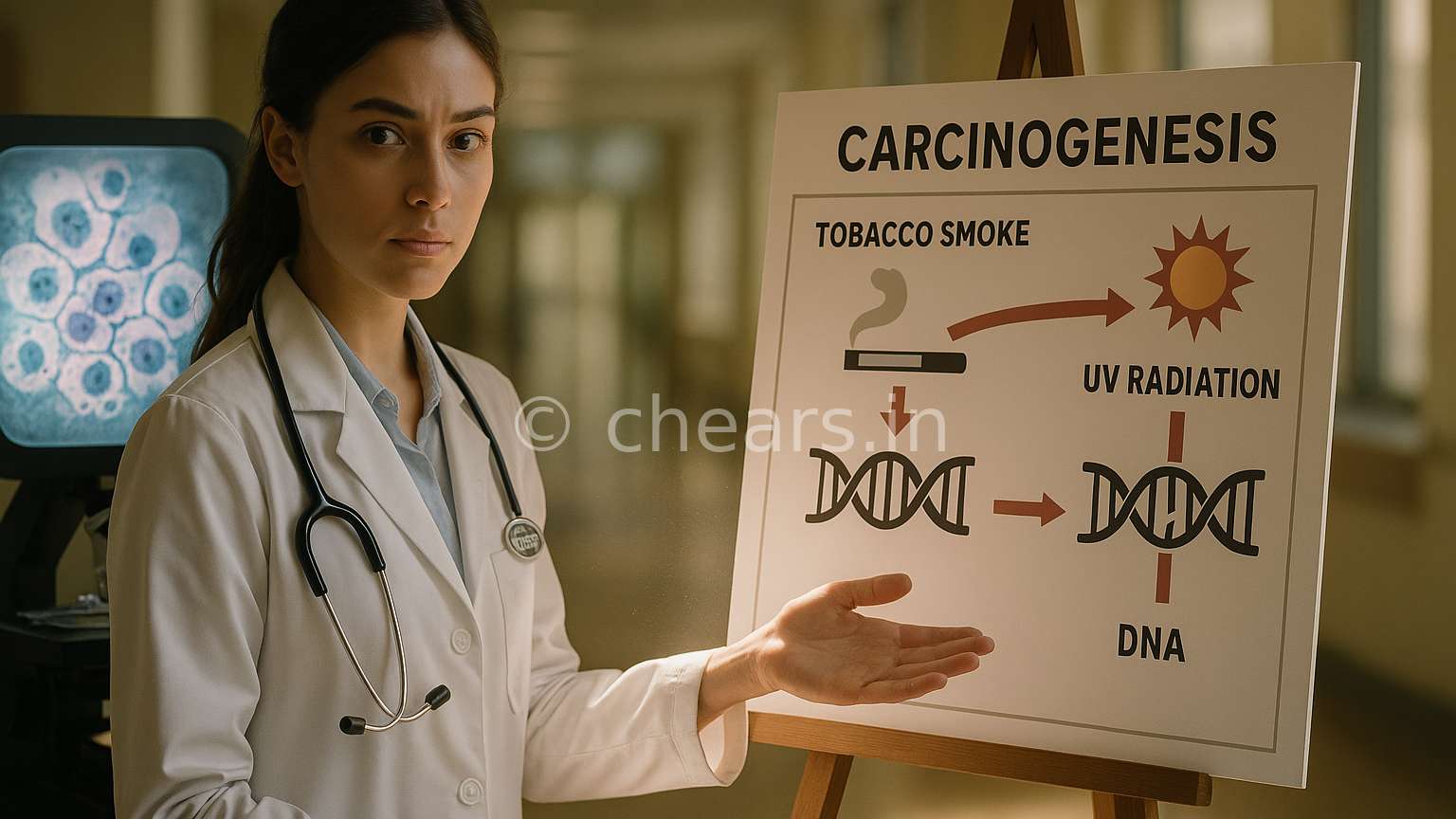
From plastic containers to non-stick cookware, there are certain household items that are silently putting you at risk of cancer. All you want to know.
From the air we breathe, the food we eat to common household items, our toxin exposure has been on rise for the past many decades and continues to affect several aspects of our health. Apart from lifestyle factors like unhealthy diet and lack of exercise, environmental factors too are emerging as the leading cause of cancer in the modern world. While it's not possible to completely eliminate exposure to toxins in many cases, one can avoid them and safeguard their health by making mindful choices. (Also read Breast cancer to claim one million lives a year by 2040: Lancet commission)
To begin with, one must pay attention to exposure of carcinogens from many household items we use. Non-stick cookware, plastic containers, household cleaners to candles, one may inadvertently be raising their cancer risk by overusing these items without a second thought.
When we think of cancer-causing agents, or carcinogens, we often imagine pollution, smoking, or unhealthy food. But did you know your own room and your safe space could be harboring hidden risks?
From the paint on your walls to the scent in your air freshener, everyday items might be silently exposing you to harmful chemicals over time. This doesn?t mean you need to panic, but understanding what?s around you can help you make healthier choices.
Here are 10 common items in your room that may increase your risk of cancer, along with practical steps to reduce that risk.
1. Paint and Paint Fumes

Paints, especially older or industrial varieties, often contain volatile organic compounds (VOCs) like benzene, toluene, and ethylbenzene. These substances are known carcinogens and can be released into the air as fumes, increasing your risk of respiratory issues and certain cancers, particularly with prolonged exposure. If your room has recently been painted or you frequently use paints for hobbies, ensure good ventilation and consider using low-VOC or VOC-free products.
2. Plastic Containers and Bottles

Plastic containers and bottles, especially those used for storing food and drinks, can leach harmful chemicals such as bisphenol A (BPA), phthalates, and even toxic flame retardants-particularly in black plastics. These chemicals are suspected carcinogens and endocrine disruptors, potentially interfering with hormonal systems and contributing to cancer risk over time. Opt for glass or stainless steel alternatives whenever possible.
3. Non-Stick Cookware

Non-stick pans coated with Teflon (PTFE) are convenient but can release toxic fumes, including perfluorooctanoic acid (PFOA), when overheated. PFOA has been classified as a possible human carcinogen by the International Agency for Research on Cancer (IARC). While most modern non-stick cookware is PFOA-free, older pans may still contain it, and even new ones can emit other harmful substances if overheated. Use non-stick cookware at recommended temperatures and replace damaged pans.
4. Mattresses.

Many mattresses are made with polyurethane foam and treated with flame retardants. These chemicals can off-gas over time, releasing volatile organic compounds (VOCs) into your room. Prolonged exposure to certain flame retardants has been linked to various cancers and reproductive issues. If you?re shopping for a new mattress, look for options labeled as free from harmful flame retardants and increase room ventilation for new purchases.
5. Carpets and Rugs

Carpets, especially older ones, can be a significant source of exposure to per- and polyfluoroalkyl substances (PFAS)-a group of chemicals used for stain and soil resistance. PFAS are linked to immune dysfunction, hormone disruption, and an increased risk of cancer, particularly in children who spend more time on the floor. Consider replacing old carpets with PFAS-free alternatives and vacuum regularly to reduce dust exposure.
6. Cleaning Products.

Many household cleaning products contain harsh chemicals, including endocrine disruptors and formaldehyde, which are linked to cancer. Frequent use of these products can increase your exposure to carcinogens. Whenever possible, use simple cleaning solutions like soap and water, and reserve stronger chemicals for occasional use.
7. Insecticides and Pesticides.

Insecticides used in and around the home may contain chemicals that disrupt hormones, damage DNA, and increase cancer risk, especially in children. Prenatal and childhood exposure to certain pesticides has been directly linked to higher rates of cancers such as retinoblastoma. Use non-toxic pest control methods or limit use of chemical insecticides indoors.
8. Batteries.

Batteries, especially those that are damaged or improperly disposed of, can release toxic metals like cadmium and lead. These metals are classified as carcinogens, and chronic exposure-even at low levels-can increase cancer risk. Store batteries safely and recycle them properly.
9. Personal Care Products.

Cosmetics, lotions, and other personal care products may contain harmful chemicals such as parabens, formaldehyde, coal tar dyes, and artificial fragrances. These substances can be absorbed through the skin and have been linked to various cancers. Choose products with simple, natural ingredients and avoid those with long lists of synthetic chemicals.
10. Processed Foods and Meats.

While not a ?room item? in the traditional sense, processed foods and meats stored in your room or mini-fridge can also contribute to cancer risk. Regular consumption of processed meats, such as bacon and sausages, has been classified as carcinogenic to humans, increasing the risk of bowel and stomach cancers. Minimize intake of processed meats and opt for fresh, whole foods.
Conclusion
While it's nearly impossible to eliminate every carcinogen from your environment, awareness and small, consistent changes in your daily habits can go a long way in reducing your risk. From choosing safer alternatives to common household items to being mindful of what you bring into your home, protecting your health starts with informed decisions.
